Sport Integrity Canada, a federally funded agency that oversees investigations into alleged misconduct in amateur sports, has expanded its national public sanctions registry to include individuals who have been permanently or indefinitely barred from sport, even as several national sport organizations, including Hockey Canada, did not participate in the first phase of the expansion.
The registry now includes the names of 20 individuals who have been permanently banned by national sport organizations and who have exhausted all their appeals.
Among the names added on Thursday to the registry: George Barber, a track and field coach banned by Athletics Canada in 2015 after it learned of Barber’s 2007 criminal conviction on charges of having sex with a student while he was employed at a U.S. high school; Jim Henderson, a coach suspended for sexual maltreatment by Diving Canada in 2000 after he was convicted of exploiting a young male diver over a four-year period; and Bob Birarda, a coach banned by Canada Soccer in 2022 after he pleaded guilty to three counts of sexual assault and one count of sexual touching while in a position of authority.
Until now, the database only included cases handled by Sport Integrity Canada itself or its predecessor, the Office of the Sport Integrity Commissioner. That meant details about lifetime bans were scattered across dozens of governing bodies, making it difficult for outsiders to track.
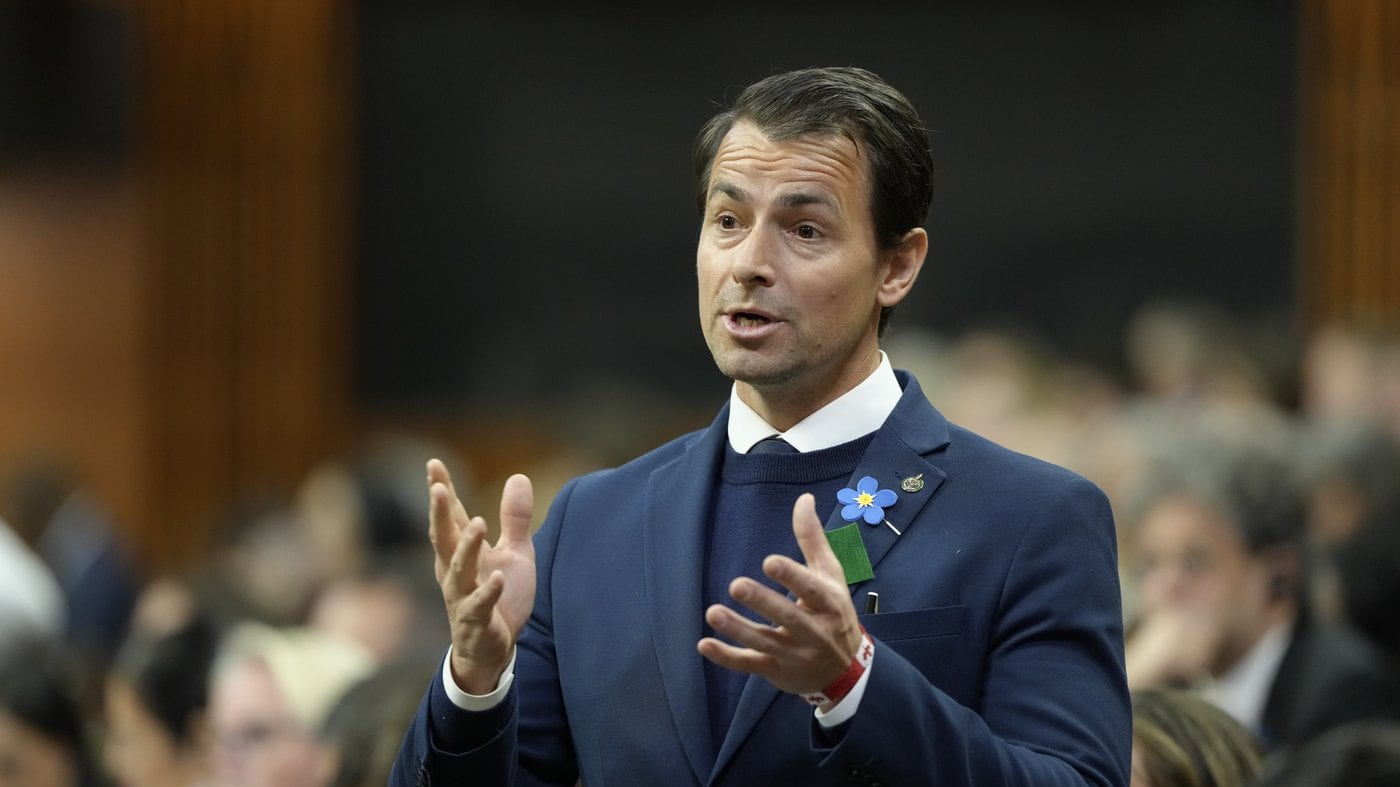
“Our top concern is that the sport experience is safe and inclusive for all people who want to play and this gets us one step closer in building the safest sport system in the world,” Adam van Koeverden, a Liberal Member of Parliament who is secretary of state for sport in Canada, said in an interview with TSN.
The expanded registry is meant to serve as a single, searchable database that organizations, parents and athletes can consult when making decisions about hiring, participation and oversight.
Of the 93 national sport organizations that have adopted the Canadian Safe Sport Program (CSSP), 80 agreed to provide sanction data for the registry, Sport Integrity Canada wrote in a news release. Eight more were considering whether to participate. Five NSOs either indicated that they would not voluntarily provide this information or did not respond.
Signy Arnason, executive director of Safe Sport for Sport Integrity Canada, said in an interview with TSN that she was pleased that dozens of NSOs agreed to provide names for the registry.
“It’s essential that people are aware of individuals who have been permanently banned, in the event that they move to other sports or move internationally,” Arnason said. “In the 18 months I’ve been in this job, there have been consistent calls for increased transparency, something the Canadian sports system has struggled with. This is an important first step.”
Arnason said some NSOs may have been reluctant to share details of permanently suspended individuals for legal reasons.
“There are organizations disclosed to us voluntarily and others that didn’t feel they could overcome legal concerns,” she said.
Van Koeverden said that he is committed to ensuring all national sport organizations volunteer the names of banned individuals.
“We are going to work with every NSO to ensure that full participation in this new Sport Integrity Canada organization is reflected in their policies,” he said. “We’re grateful that more than 90 per cent have engaged and are participating willingly.”
The Sport Integrity Canada database will include more names within the next day or so.
Volleyball Canada spokeswoman Jackie Skender wrote in an email to TSN that the organization has vetted and submitted its list of banned individuals to Sport Integrity Canada and those names should be reflected on the registry presently.
Arnason said a second phase of expansion of the public registry might include adding individuals who have been suspended for serious misconduct but not permanently banned.
She said it’s also possible the names of people barred by provincial and territorial sports organizations (PTSOs) could be added to the database.
It’s conceivable that some PTSOs may have banned individuals without informing their national sport organization counterparts, Arnason said.
Yet even as Arnason described the expansion as a step forward, the absence of some NSOs to provide their sanction data highlights gaps in what is meant to be a comprehensive national registry.
Judo Canada and Hockey Canada are among the organizations that have not provided sanction data to Sport Integrity Canada.
“Judo Canada has not made a decision to opt out of participation in the public sanction registry,” chief executive Nicolas Gill wrote in an email to TSN. “[A] review is currently being conducted by our legal counsel to clearly define the circumstances under which sanctions may be published in a public registry.”
Hockey Canada chief of staff Jeremy Knight wrote in an email to TSN that the federation “fully supports” the development of a national registry.
“We have been in contact with Sport Integrity Canada over the past year to voice our support for having a sport-wide registry that will not place any sport organization at legal risk and look forward to receiving the upcoming report from the Future of Sport in Canada Commission, which we are hopeful will provide direction on this topic.”
Kristi Allain, a sociology professor at St. Thomas University in Fredericton, N.B., who has researched Hockey Canada, said the federation is among the country’s richest and most influential and should be among the first to volunteer names of banned individuals, even if there is potential legal exposure.
“You have 80 other NSOs that are participating and that suggests Hockey Canada is ill-prepared,” Allain said. “It shows a real lack of commitment because the organization has had a lot of time to figure out its legal standing on this matter of transparency. Their priority needs to be the protection of vulnerable children and one of the ways to do that is by naming these bad actors who are banned and who could move into other sports because their names are not public.”
Allain rejected the idea that Hockey Canada needed to safeguard itself against potential lawsuits filed by individuals who have been permanently banned.
“Hockey Canada has among the most high-profile histories of sexual violence of any NSO and they are also the most well-funded NSO in the country,” Allain said. “They should be leading the charge, not falling behind.”
In August 2025, a federal commission appointed to scrutinize Canada’s amateur sports system issued a preliminary report that made 71 recommendations to improve amateur sports in Canada. Creating a national sanctions registry was among the recommendations.
The commission, which is led by Lise Maisonneuve, the former chief justice of the Ontario Court of Justice, is expected to release its final report next week.